Money Smarts Blog
When Good Weather Goes Bad: A Quick Readiness Check
Feb 20, 2026 || By Kelsi Rotz, Insurance Sales Agent
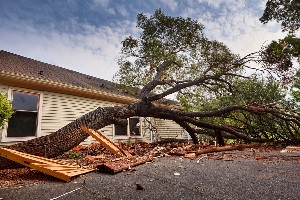
Severe weather has a way of showing up uninvited. One minute you’re enjoying a quiet evening, the next your phone is buzzing with weather alerts, and your patio furniture is trying to relocate to the neighbor’s yard. Being prepared can make a big difference when the forecast starts sounding dramatic.
As an insurance agent, I talk with members every year after severe weather hits. The most common question I hear is: “Am I covered?”
It’s a smart question and one that’s best answered before you’re standing in the basement wondering if that sound is rain or something much more expensive.
Why Preparation Matters
Severe storms bring heavy rain, lightning, hail, strong winds, and power outages that always seem to last longer than expected. Any one of those can cause damage to your home, your car, or both. Insurance helps with recovery, but preparation can keep a small headache from turning into a full blown migraine.
Water damage, especially, has a talent for starting quietly and then spreading like it pays rent. Acting quickly and knowing what to do can make a huge difference.
A Quick Coverage Check
Your future self will appreciate this. Before a storm season ramps up, it’s worth taking a few minutes to review your insurance coverage.
Homeowners Insurance
Make sure your policy reflects your home’s current value and includes coverage for common storm damage like wind or hail. Some types of water damage may be covered, while others, like flooding, often require separate coverage. This is one of those details you really want to understand before the rain starts falling.
It’s also important to know that water backup coverage is not automatically included in most standard home policies. This coverage protects you if water backs up through a sewer or drain or if your sump pump fails. And I can tell you from experience, it’s one of the most frequently filed claims we see after heavy rain.
Adding water backup coverage is typically affordable and highly recommended. It’s one of those small add-ons that can prevent a very large headache.
Renters Insurance
If you rent, your landlord’s insurance usually covers the building, not your belongings. Renters insurance can help protect your furniture, electronics, clothes, and all the things you definitely do not want to replace in one shopping trip.
Auto Insurance
Hail, flooding, and falling branches do not check where you parked or how recently you washed your car. Comprehensive coverage is what helps protect your vehicle from storm-related damage.
If you’re not sure what you have or what you need, don’t worry! There’s no test at the end. That’s what we’re here for.
Build a Storm Kit You’ll Actually Use
A storm preparedness kit doesn’t need to look like you’re preparing for a reality survival show. A few practical items can go a long way.
Consider keeping:
- Flashlights with extra batteries (because phone flashlights are great… until your phone dies)
- Bottled water and nonperishable food
- A battery-powered or hand-crank weather radio
- Phone chargers or backup battery packs
- Important documents stored safely and digitally
- A thermometer for your refrigerator or freezer during outages
Power outages can affect food safety, communication, and comfort, especially if they last longer than planned. A little preparation now can save a lot of frustration later.
If You Find Water in Your Home
Water damage can come from more places than people expect. Burst pipes, sump pump issues, appliance leaks, and sewer backups are all common troublemakers.
If you discover water in your home:
- Locate the source if it’s safe to do so
- Turn off power if water is near electrical outlets or panels
- Contact your insurance provider promptly
- Reach out to a professional restoration company for cleanup and drying
The faster water damage is addressed, the better the outcome usually is and the fewer surprises you’ll find later.
After the Storm Moves On
Once severe weather passes:
- Avoid downed power lines and flooded roadways
- Watch for structural damage or unstable debris
- Take photos of damage before cleanup if it’s safe
- Contact us before starting major repairs
And if something doesn’t feel safe, trust that instinct. No home improvement project is worth risking your well-being.
A Little Prep Goes a Long Way
Storms may be unpredictable, but your preparation doesn’t have to be. Reviewing your coverage, building a simple storm kit, and knowing what steps to take if damage occurs can make recovery much smoother.
If you have questions about homeowners, renters, or auto insurance (or just want to feel more prepared before the next round of weather alerts) we’re here to help. Think of us as your calm voice before, during, and after the storm… even if the weather app is using words like “severe”, “intense”, and “take shelter immediately”.